
We build technology that makes people more capable.
Technology should give you your life back.
We're building a better experience for being human.
We're a small team of hackers, engineers, and designers. We build the things we wish existed.
We think the best technology gives you more and asks for less — more time, more attention, more room to be human — and then gets out of the way. Most technology today does the opposite. We're building the other kind.
Everything worth building looks impossible right up until someone builds it. That's the part we like.
Most assistants wait for you to ask, then forget you the second you close the tab. GAIA doesn't.
It reads your inbox before you do, watches your calendar, drafts your replies, and runs the multi-step work you'd never get around to — then remembers all of it, so it's sharper next month than it is today.
It's live, open source, and already doing this. → heygaia.io
Where it's headed: off the screen and onto your body. Paired with the glasses, GAIA goes everywhere you go — the goal is simple, and a little unreasonable: an assistant that can handle anything you'd handle yourself. Everyone deserves a Jarvis.
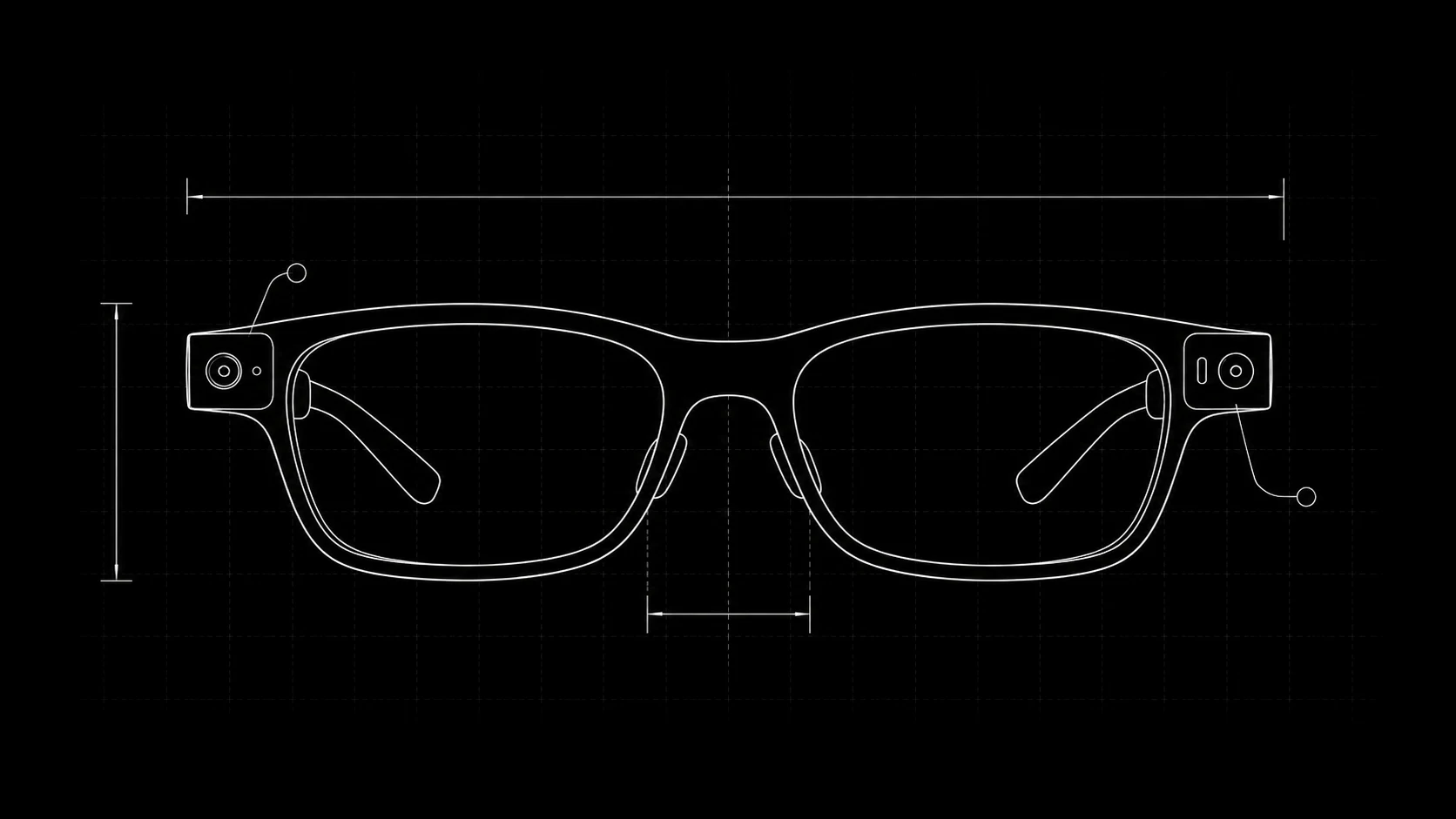
GAIA, on your face. A display only you can see, a camera that sees what you see, and an assistant you just talk to. It paints your directions onto the road ahead, picks up the call you don't want to take, and remembers the things you'd have forgotten by dinner. You run it with your voice, your eyes, and your hands — no controller, no phone in your palm.
Most smart glasses are bricks you'd never wear in public. These are meant to be light, cheap, and good-looking enough that you forget they're smart at all.
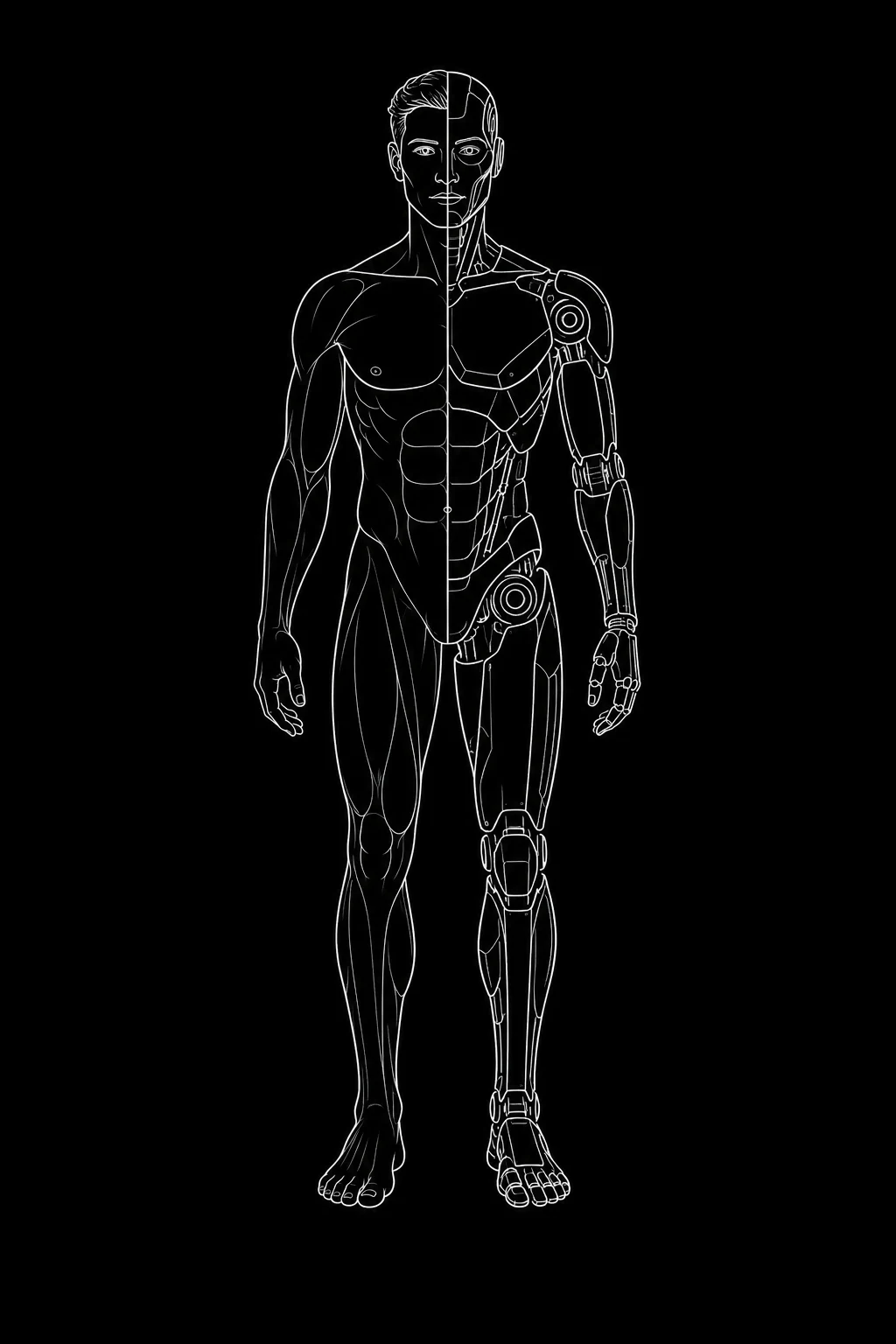
We're also drawn to what comes after the screen. AI learned to make art and music — the parts of being human we'd least want to give up — while the laundry still piles up. That feels backwards. The boring, physical work is exactly what machines should take off our hands.
We haven't started building it. It's just a future we believe in — and probably the hardest thing we'll ever attempt.
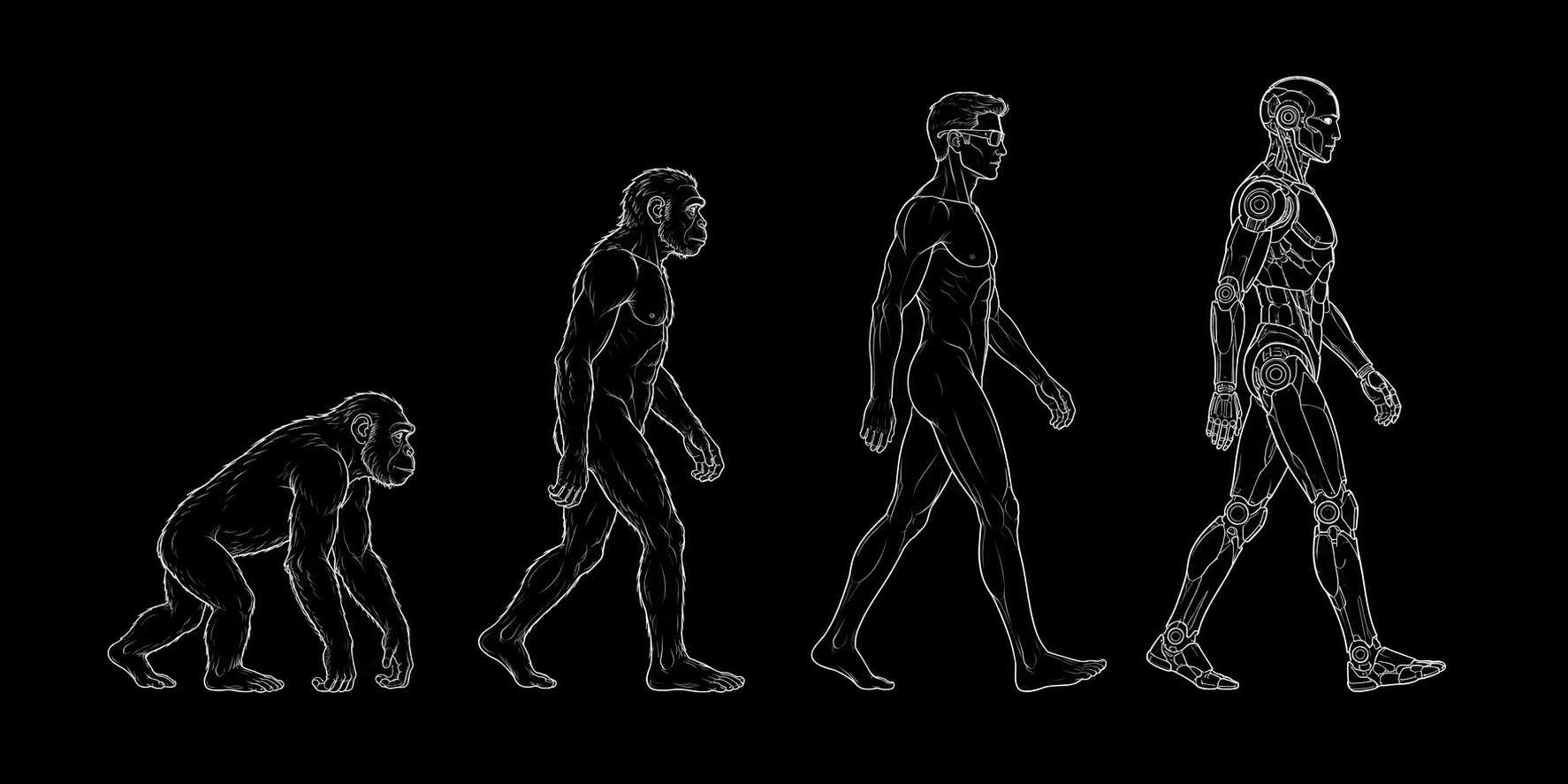
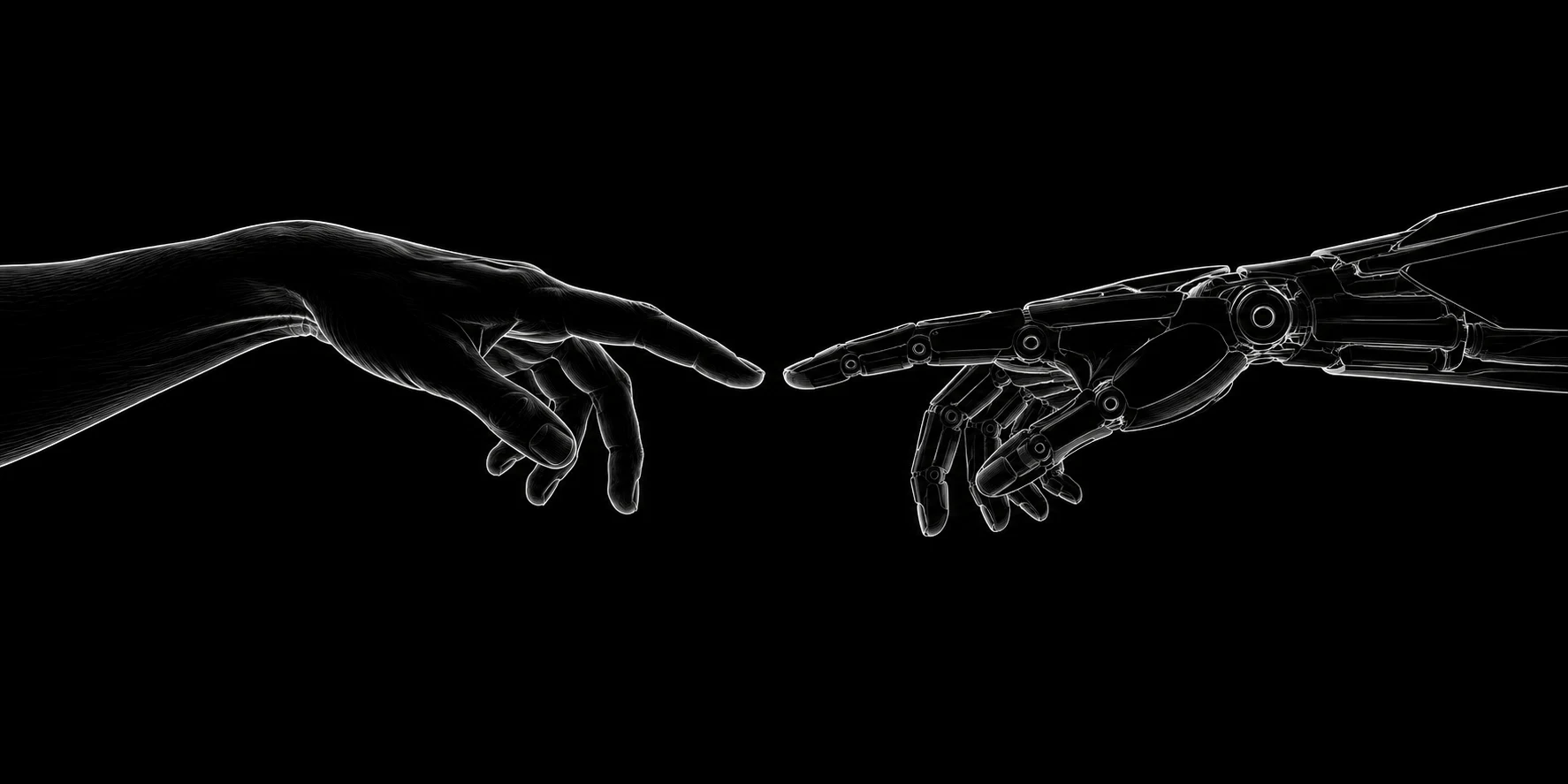
People ask why a software company is building glasses and robots. We don't really think of ourselves as a software company. We think most of what fills your day — the digital admin, the errands, the housework — is work you never should have been doing. GAIA takes the digital load. The glasses carry it with you. Robots take the physical load at home. The screen was just where we started.
"The people who are crazy enough to think they can change the world are the ones who do." — Steve Jobs